The Top 10 Most Common Insurance Terms And Their Uses


Read more on our Blog
Why These Terms Matter
A Certificate of Insurance (COI) isn’t just administrative. It’s risk management in disguise.
When you understand what these insurance terms really mean, you stop being the person chasing paperwork and start being the person protecting the business.
This isn’t about compliance for compliance’s sake. It’s about:
- Avoiding surprise insurance claims
- Preventing costly project delays
- Strengthening vendor and client trust
Translation: this work is high stakes. Understanding the insurance terminology makes you more than a reviewer and it makes you a protector of budgets, timelines, and relationships.
1. Certificate of Insurance (COI)
The COI is the headline act. It's a one-page summary that proves a vendor has insurance coverage under an active insurance policy. It lists who’s insured, what coverage they carry, how much, and the policy dates, sometimes referred to as the policy period.
But here’s the catch: it’s just the trailer, not the full film. It doesn’t guarantee protection. Without the right endorsements, you’re missing half the story.
Quick Check:
- Names match the insurance contract
- Coverage aligns with requirements
- Dates don’t expire mid-project
Pro Tip: Request the COI before work begins. Last-minute scrambles are where mistakes hide.
2. Additional Insured
This is the golden ticket: you’re covered under your vendor’s insurance policy.
Scenario: A contractor damages a client’s lobby. The client sues both the contractor and you. With Additional Insuredstatus, their insurance company defends you too, under their commercial general liability policy.
Watch Out: The box checked on the COI means nothing without the actual endorsement that proves it.
3. Waiver of Subrogation
A fancy way of saying: “We won’t turn around and blame you.”
It prevents your vendor’s insurance carrier from suing you to recover costs after paying out a covered event or insurance claim.
Scenario: A subcontractor’s worker is injured. Their insurer pays the medical expenses. Without a waiver, the insurer might try to recover those costs from you. With it? Case closed.
4. Primary & Noncontributory
When two policies overlap, this clause clarifies whose pays first and whose is secondary.
Why it matters: Without it, your own property insurance or liability coverage might get pulled into claims that aren’t your fault, affecting your premiums and future insurance coverage.
Always confirm this language is in the endorsement itself, not just assumed on the COI.
5. General Liability Insurance
The bread-and-butter insurance coverage for most projects. It handles bodily injury, property damage, and personal injury.
Scenario: A painter drops a bucket on hardwood floors. Commercial general liability pays for repairs to the insured property.
Quick Check:
- Coverage fits the work type
- Limits meet contract requirements
- The insurance company backing the policy is reputable
6. Workers’ Compensation
This coverage handles employee injuries on the job and it’s required in nearly every state.
Why it matters: If your vendor skips this and someone is injured, you could be stuck with their medical expenses or personal injury protection costs.
Pro Tip: Confirm it covers every state where work takes place. This is especially important for traveling contractors or vendors with multiple locations.
7. Auto Liability
If vendors drive for work, this one matters. It covers accidents involving company vehicles, rentals, or personal cars used on the job.
Quick Check: Look for “Hired” and “Non-Owned” auto coverage to protect against claims involving rentals or personal vehicles.
Optional Coverage: Some insurance plans include comprehensive coverage or replacement cost options that pay for damages beyond collision.
8. Umbrella / Excess Liability
Think of it as insurance on top of insurance, a financial safety net.
If a claim exceeds normal policy limits, Umbrella coverage (also known as excess liability) kicks in.
Best For:
- High-risk vendors
- Big-budget commercial property projects
- Industries where one mistake could cost millions
It’s the replacement cost protection for when your limits fall short.
9. Endorsements
Endorsements change an insurance contract — sometimes they add coverage, sometimes they take it away.
Why it matters: The COI alone won’t reveal these details. Without copies of endorsements, you’re flying blind.
Action Step: Build a checklist of must-have endorsements for your commercial general liability and property insurance policies. Review them every time a new vendor joins your insurance plan.
10. Policy Limits
The maximum your insurance carrier will pay for a claim during a specified period.
Too low, and you’re left covering the rest. Too high, and you may slow vendor onboarding with unrealistic requirements.
Right-size it: Use a risk management matrix to set limits by vendor type, insured property, and project size.
Bonus: The Big Picture
A COI isn’t just paperwork. It’s the summary of an indemnity contract — a promise that the insured pays premiums, and in return, the insurance company pays for losses during the policy period.
Behind every COI are people, projects, and protection.
- The insurance business that writes the policy
- The insurance brokers and insurance agents who sell insurance and help you understand your coverage
- The insurance companies that charge premiums and honor claims
- The insured property and real or personal property those policies protect
Understanding the fine print, from optional coverages to permanent insurance and actual cash value and turns compliance from a checkbox into confidence.
Because when the insured dies, when property is damaged, or when someone is hurt, the language you understand today becomes the protection that saves your business tomorrow.
The next uninsured third-party partner won't announce themselves.
illumend catches the gap.
You save the project.
Blog & Insights



What Are the Top Ten Problems That Can Occur With Follow Form Coverage?

What Is A Certificate Of Insurance For Vendors

Workers Comp Certificates

Workers Compensation Certificates

What Is Liability Insurance

Blank Certificate Of Insurance

Liability Insurance Coverage

What Is Business Compliance

Personal Certificate Of Liability Insurance

What Is A Certificate Of Insurance Form Used For

What Happens If My Subcontractor Does Not Have Insurance

Employers Liability Insurance Vs Workers Compensation

What Is Risk Transfer

What Does Commercial General Liability Cover

Certificate Of Liability Insurance Sample

General Liability Insurance Coverage

General Liability Insurance Certificate
.jpg)
Do Subcontractors Need COIs?

COI Certification

Certificate Of Insurance Management System

General Contractor Certificate Of Insurance Tracking Tools
.jpg)
Insurance Certificate Compliance App

Construction Liability Insurance

How To Get A Certificate Of Insurance

Certificate Of Insurance Additional Insured Sample
Certificate Of Liability Insurance Form Example

Sample Letter Requesting Certificate Of Insurance From Vendors

Workers’ Compensation Certificate Of Insurance

Certificate Of Coverage Insurance

Insurance Agency Management System

Certificates Of Insurance Best Practices

Commercial General Liability Insurance
General Contractor Insurance Requirements

Certificate Of Insurance For Contractors

Certificate Of Insurance For Business

Certificate of Insurance for Small Business
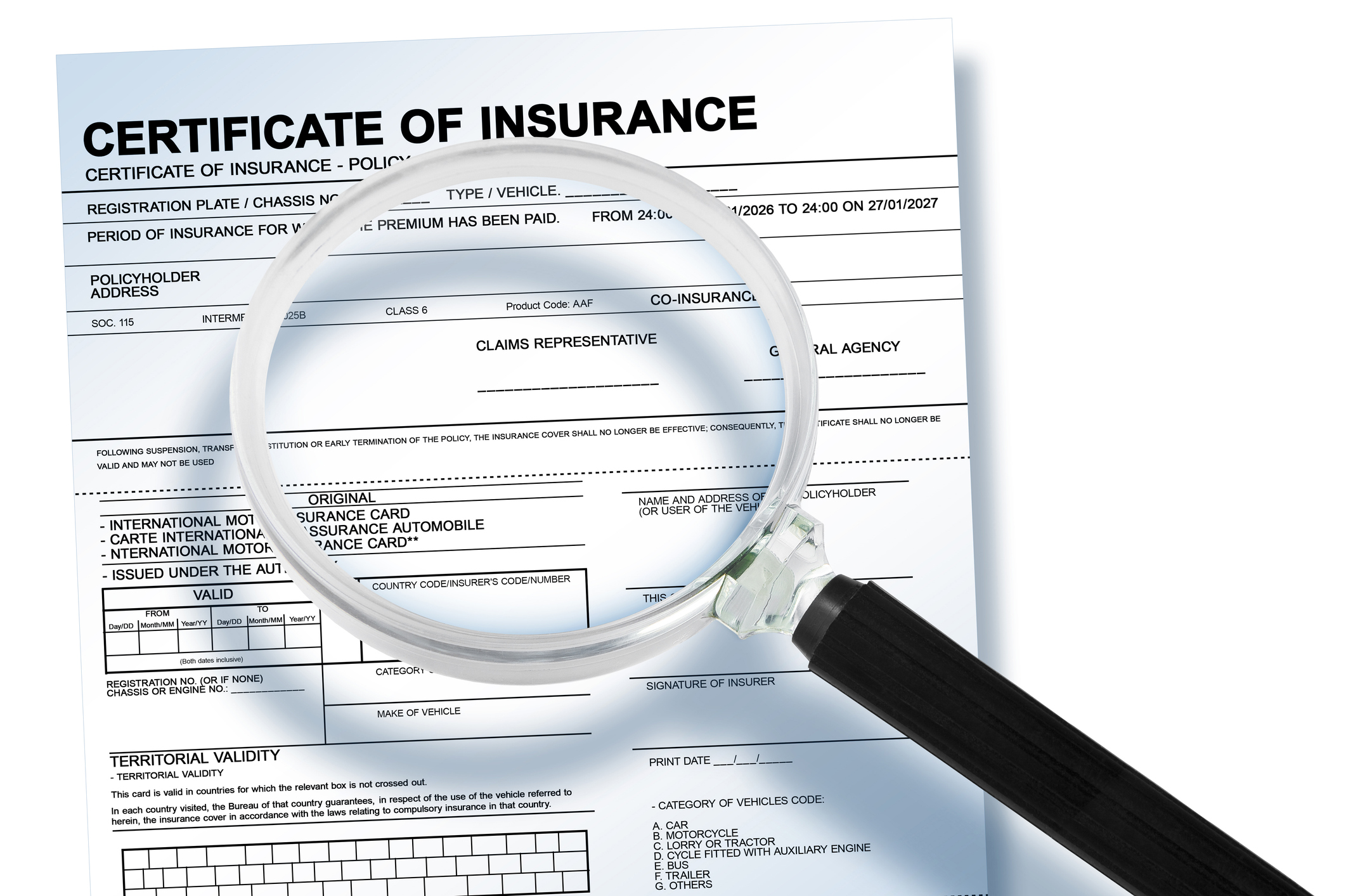
Certificate Of Insurance Requirements By State

What Is an ACORD 28?
.webp)
A Guide To the Four Corners Rule and the Duty To Defend

What's the Difference Between Indemnification & Insurance?

Additional Insured: Definition, Benefits & Examples
Differences in Additional Insured for Ongoing vs. Completed Operations

What Landlords and Tenants Need To Know About Improvements and Betterments Coverage

Why Contractual Liability & Insured Contracts Matter

What Does Primary and Noncontributory Mean in Insurance? — illumend
.webp)
What Is a Building Certificate of Insurance? — illumend

What Is a Certificate of Property Insurance?

Contractor Bonds vs. Insurance: Everything You Need To Know

What Does A COI Mean In Real Estate: A COI Guide For Real Estate Agents

Certificate Holder vs. an Additional Insured: Everything You Need To Know
.webp)
What Is an ACORD 25 Certificate (And How To Read One)

What Is an ACORD Insurance Certificate? Types & Uses

What Is a Loss Payee? Roles, Benefits, & Processes

Additional Named Insured vs. Additional Insured: What Is the Difference?

How Do You Calculate Building Construction Coverage?

How Important Is a COI for Contractors?

What Is an Experience Modification Rating (EMR) in Workers’ Comp?

What Is A COI In Construction?
.webp)
How To Check If A Business Has Insurance (And Why It Is Important)

What Is Third-Party Liability Insurance? Definition & Types

What is an Insurance Endorsement?

The Hidden Life of a COI Reviewer: Why Your Work Matters More Than You Think

Why COI Tracking Eats Your Lunch Break

What Contractor Insurance Covers & How To Get Proof of Contractor Insurance

Does My Business Insurance Cover Independent Contractors?

Why Do Companies Require a COI? Key Business Reasons

What Is the Purpose of a COI & Why It’s So Important
.webp)
What Is an ACORD 27?

When Do You Need A COI For An LLC

What Must Be Included in a Certificate Of Insurance?
%2520and%2520Why%2520Is%2520It%2520Critical%2520for%2520Your%2520Business.jpeg)
What Is a Certificate of Insurance: A Complete Guide (2026)

What Is a COI in Contracting? [Definition & Guide]

What Is The Difference Between A Policy And A Certificate Of Insurance?

What Is A COI Request Form And When Do I Need One?

What Is Professional Liability on a COI?

What Does Indemnity Mean in Insurance?
Insurance 101: What Every Compliance Admin Needs to Know

How to Get a COI for an Event: A Simple Step-by-Step Guide

Is a COI the Same as a Declaration Page? Key Differences

Is COI The Same As Liability Insurance?

How To Read A Certificate Of Insurance: A Complete Guide

How To Add An Additional Insured On A COI

How To Check The Certificate Holder on a COI?
.jpeg)
How To Ask for A COI (And When You Need One)

Hidden Red Flags: How to Spot Trouble in COIs

How Do You Show Additional Insurance on a COI?

Does AI Add Value to COI Tracking Beyond Traditional Automated Software Solutions or Manual Tracking?

Are Subcontractors Required to Have Insurance? A Guide To Subcontractor General Liability Insurance

5 COI Mistakes That Cost the Business Time, Money, and Trust

You don't have to understand insurance to be good at insurance compliance.
With Lumie™, compliance is covered. So is everyone on your project.